K-Pop Star to Make History at APEC CEO Summit in Gyeongju
K-pop’s Global Reach Meets Economic Diplomacy
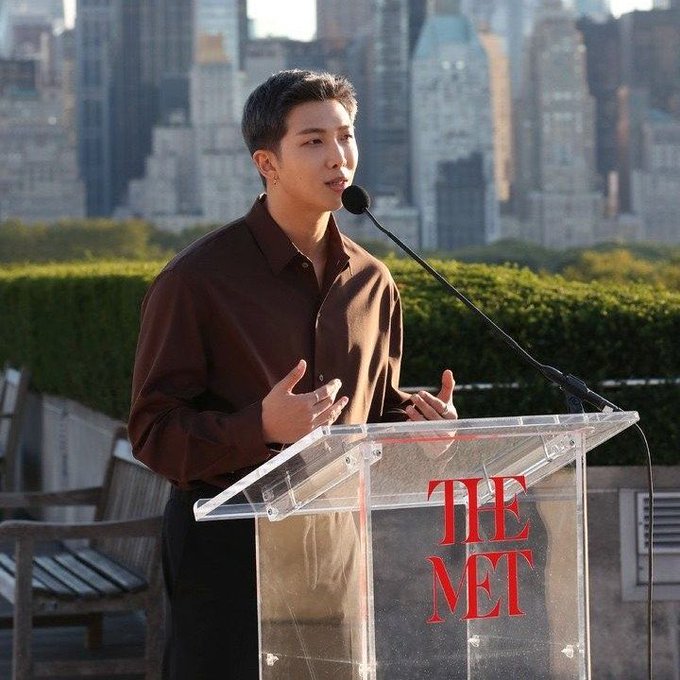
In a milestone moment for South Korea’s cultural ascent, a leading K-pop singer is set to become the first artist from the genre to speak at the upcoming APEC CEO Summit, which will take place from October 28 to 31 in Gyeongju. The artist’s inclusion marks a profound recognition of the global influence of K-pop and its expanding role in shaping South Korea’s economic, cultural, and diplomatic footprint across the world.
The Asia-Pacific Economic Cooperation (APEC) CEO Summit, held annually alongside the APEC Leaders’ Meeting, is one of the region’s most influential business gatherings. With 85 speakers from more than 20 economies participating in 20 sessions, the forum will explore critical topics including artificial intelligence, finance, sustainable growth, and cultural industries. The participation of a K-pop icon in this forum reflects a growing acknowledgment that culture — and particularly popular culture — has become a vital driver in global economic relations.
From Music Charts to Economic Forums
The singer’s participation in the cultural session, which focuses on “The Soft Power of K-Culture,” symbolizes the remarkable evolution of Korean pop music from a regional entertainment phenomenon into a global economic and diplomatic asset. Over the past two decades, the Hallyu (Korean Wave) has grown beyond television dramas and music, fostering entire industries centered on fashion, cosmetics, tourism, and technology.
K-pop’s international reach today spans continents — with fanbases in Asia, Europe, North America, and increasingly Latin America. Major acts regularly sell out stadiums in cities like Los Angeles, London, and Bangkok, while Korean entertainment companies have become listed giants on the Seoul Stock Exchange. The economic value tied to K-pop is immense: analysts estimate that the genre contributes billions annually to South Korea’s GDP through music exports, tourism, and cultural merchandising.
By featuring a K-pop figure at a high-profile summit traditionally dominated by business executives and policymakers, organizers signal a new understanding of cultural influence as a strategic economic resource.
Gyeongju: A City of History Hosting a Modern Forum
The choice of Gyeongju as the host city is symbolic. Often referred to as “the museum without walls,” Gyeongju was the capital of the ancient Silla Kingdom, a hub of cultural and scientific advancement in East Asia for nearly a thousand years. Today, it stands as a testament to Korea’s deep historical legacy — and an apt backdrop for discussions about modern culture as a form of economic leadership.
APEC delegates attending the summit will experience a blend of tradition and innovation, with local organizers planning performances, exhibitions, and digital showcases integrating K-culture into the conference’s broader themes of sustainable economic development and cross-border cooperation. This year’s emphasis on cultural industries offers Gyeongju a unique opportunity to highlight how Korea’s historic identity and creative innovation coexist and reinforce one another in the global arena.
K-Culture’s Soft Power on the World Stage
K-pop’s emergence as a soft power tool has long been noted by economists and cultural analysts. Music videos from top K-pop acts garner hundreds of millions of views within hours of release, and their global fandoms — connected through social media networks — have demonstrated substantial influence in cultural, charitable, and even economic activities. They mobilize donations, amplify social causes, and promote cultural exchange, often more effectively than traditional public diplomacy.
For South Korea, this cultural phenomenon has translated into tangible growth. The Korea Foundation for International Culture Exchange reports that K-culture exports, encompassing entertainment, beauty, fashion, and digital content, reached record highs in 2024. The rise of K-content platforms and streaming services has further extended Korea’s digital cultural footprint, helping the nation secure a top position in global creative exports alongside powerhouses like the United States and Japan.
At the APEC CEO Summit, the attending K-pop artist is expected to discuss how creative industries foster national identity, strengthen international partnerships, and open new markets. The artist’s speech will likely touch upon how fan engagement, digital innovation, and global collaboration form the backbone of K-culture’s enduring success.
The Economic Anatomy of K-Pop Influence
Behind the glamour and choreography lies a deeply structured industry that merges art, business, and technology. Major entertainment companies such as HYBE, SM Entertainment, JYP, and YG Entertainment operate complex ecosystems that include music production, talent management, content platforms, and digital merchandising. Their hybrid model of artistic creativity and corporate discipline has drawn interest from global investors and economists studying creative-sector scalability.
The K-pop economy thrives on strategic synergies. Partnerships with global brands, tie-ins with streaming platforms, and the use of artificial intelligence in production and fan analytics showcase how Korea has redefined entertainment as a technology-integrated export. These innovations will be prominent in APEC discussions on how creative economies can accelerate sustainable growth in the digital age.
Industry observers expect that the singer’s address will highlight the interplay between creative freedom and structured innovation — a dynamic particularly unique to Korean entertainment’s success.
Comparative Glance: Cultural Soft Power Across Asia
South Korea’s diplomatic and economic use of culture mirrors rising trends across Asia. Japan’s longstanding global influence through anime, fashion, and games set an early precedent for cultural soft power in economic policy. Meanwhile, China’s film and entertainment sectors have also aimed to expand global visibility, albeit with state-curated frameworks.
However, what distinguishes South Korea’s strategy is the balance between cultural authenticity and commercial ambition. Unlike traditional exports like electronics or automobiles, K-culture exports rely on storytelling and identity. This formula has allowed the nation to connect emotionally with global audiences without losing its local creative core.
At the APEC CEO Summit, this comparative perspective will shape discussions among participating economies. Organizers anticipate dialogues on how national cultures can serve as future-oriented economic drivers rather than peripheral soft assets.
A Cultural Milestone Beyond Music
The presence of a K-pop artist among world CEOs, economists, and policymakers underscores more than symbolic inclusion — it represents a structural shift in how industries understand the global economy. The creative sector, often seen as entertainment, is now recognized as a leading contributor to innovation, employment, and diplomatic engagement.
The APEC CEO Summit’s inclusion of a cultural leader highlights how economies are embracing creativity as part of their growth strategies, particularly as artificial intelligence and automation reshape traditional industries. South Korea’s creative export model, blending digital platforms with human artistry, offers a template for economies seeking post-industrial revitalization.
For audiences inside and outside the summit, this appearance will not only showcase K-pop’s vibrancy but also underscore cultural entrepreneurship as the next phase of Asia-Pacific economic cooperation.
Anticipation and Global Reactions
Ahead of the Summit, international attention has been mounting as diplomats, business leaders, and fans await the debut of a K-pop voice in a forum historically reserved for corporate and governmental figures. Social media platforms have already seen hashtags related to the event trend across multiple countries, reflecting the crossover interest between fans of entertainment and followers of global economic discourse.
Local businesses in Gyeongju are preparing for an influx of visitors, including international media and cultural delegates. Hotels and local merchants report spikes in bookings and event-related activity, echoing a familiar phenomenon seen whenever major K-pop figures appear on international stages.
The atmosphere promises a fusion of excitement and dialogue — a blend that epitomizes Korea’s modern identity as a nation rooted in tradition yet continually defining new forms of global engagement.
Looking Ahead: The Future of K-Culture Diplomacy
As Korea continues to integrate culture into its global economic strategy, the Gyeongju summit may serve as a defining chapter in the story of how a once-local pop movement has grown into a pillar of world soft power. The speech by the K-pop star will likely mark a turning point — not just in entertainment history, but in the evolving intersection between cultural influence and economic diplomacy.
In the years ahead, the lessons from K-pop’s global rise are expected to inform future APEC agendas and inspire other economies to harness their creative sectors as engines of growth and means of international connection. For Gyeongju, for Korea, and for the wider Asia-Pacific region, this moment represents more than celebrity glamour — it is the sound of a new kind of leadership resonating on the global stage.