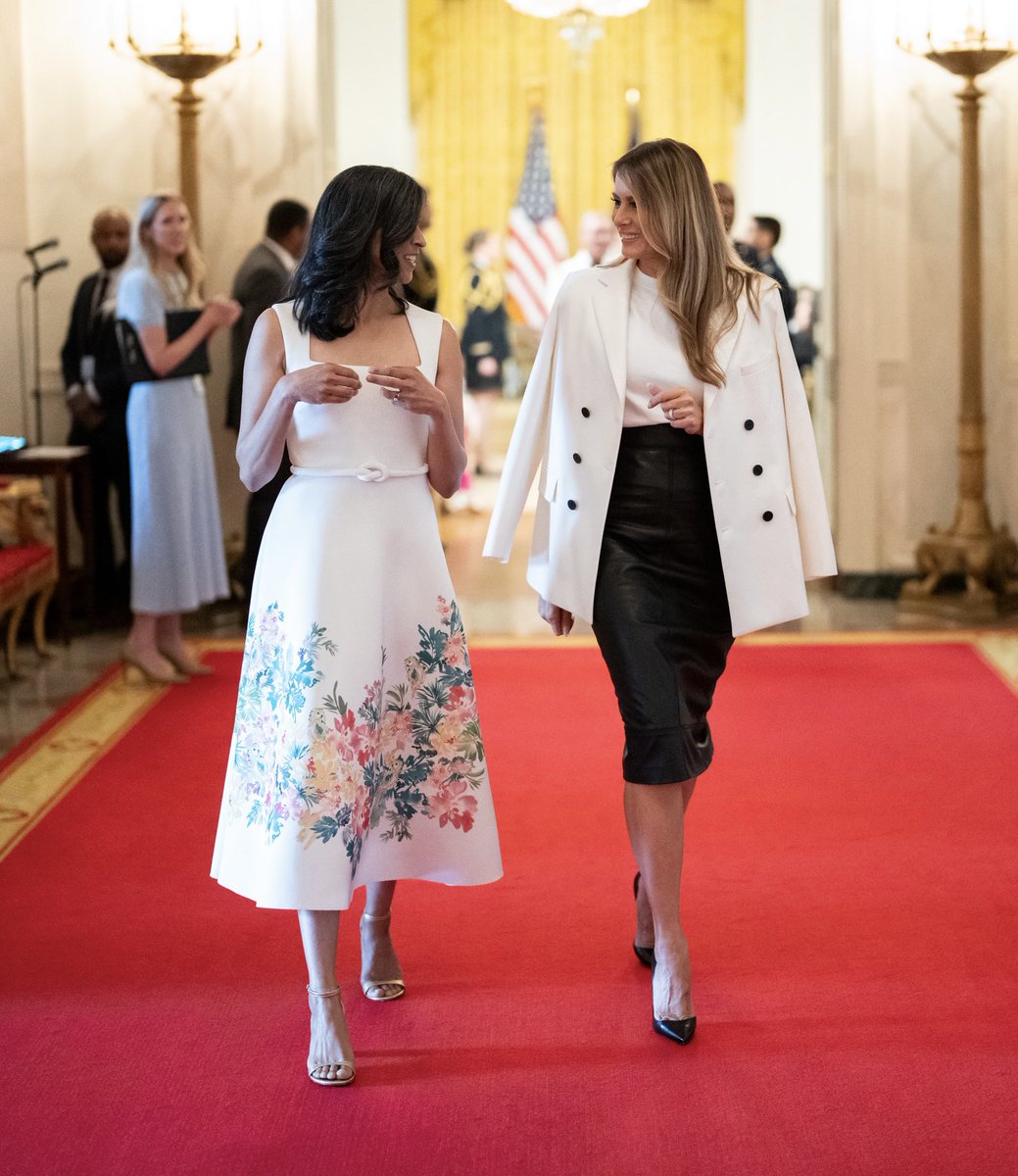
First Lady Melania Trump and Second Lady Usha Vance to Visit Camp Lejeune for Holiday Engagement with Military Families
First Lady Melania Trump and Second Lady Usha Vance are scheduled to visit Camp Lejeune in North Carolina on Wednesday, November 19, 2025, where they will meet with Marines, sailors, and their families as part of a special holiday outreach program. The visit aims to honor the sacrifices made by service members and their loved ones during a time of year often marked by separation and duty.
The joint appearance underscores a renewed national emphasis on family support within the armed forces, highlighting education, community resilience, and appreciation for military life. Their itinerary includes time with children in local schools on the base, discussions with military spouses, and a public address at an aircraft hangar — a symbolic setting that reflects both service and unity.
A Renewed Focus on Military Family Well‑Being
The upcoming event continues a longstanding White House tradition of recognizing the critical role of military families in supporting national defense. From care packages to educational initiatives, such outreach events are designed to strengthen morale and remind service members that their commitment is valued far beyond the base gates.
Camp Lejeune, one of the largest Marine Corps installations in the world, houses tens of thousands of active-duty personnel and their families. The base has frequently served as a focal point for visits by national leaders due to its strategic significance and deep ties to American military identity. This visit is expected to highlight programs that improve living conditions, mental health resources, and educational opportunities for dependents of service members.
Over the past decade, the federal government has emphasized mental health and resilience training for those stationed at major military installations. By visiting in person, the First and Second Ladies are expected to draw attention to these initiatives, encouraging participation in programs that provide counseling, mentorship, and support for children of deployed parents.
Educational Initiatives at the Heart of the Visit
An early highlight of the itinerary will be an education-focused event at one of the base’s elementary schools. Both Melania Trump and Usha Vance have made youth education and personal development cornerstones of their public outreach. The visit is expected to showcase classroom projects connected to literacy, science, and civic engagement, reinforcing the idea that children in military families deserve the same stability and enrichment as their peers elsewhere.
Camp Lejeune hosts several Department of Defense Education Activity (DoDEA) schools that serve students from kindergarten through high school. These institutions often face unique challenges due to the high mobility of military children, who move frequently as their parents are reassigned. Programs designed to maintain continuity in learning are seen as vital for supporting these students’ academic and emotional growth.
The discussion is expected to include teachers, administrators, and parents sharing firsthand experiences about how frequent relocations and deployments affect students. Initiatives like tutoring support, peer mentoring, and extracurricular outreach will be among the topics explored.
Honoring Service Through Shared Traditions
Following the educational engagements, the visit will culminate in formal remarks at a large gathering on base, where the First and Second Ladies are expected to express gratitude to those who serve and to their families who endure long absences during deployments. The address, taking place at an aircraft hangar adorned with flags and insignia representing different Marine and Navy units, will mark the symbolic beginning of the holiday season for the military community.
In previous years, similar events have featured messages that honor resilience, unity, and the power of community. The speeches often acknowledge the challenges faced by military spouses — including employment transitions and prolonged separation — while also emphasizing the enduring spirit that defines American service families.
By visiting ahead of Thanksgiving, the timing carries emotional significance. Many service members remain on duty through the holidays, with limited travel opportunities. Such visits offer reassurance that the nation recognizes their commitment, providing a moment of celebration and gratitude within the demanding rhythm of military life.
Historical and Regional Context: Camp Lejeune’s Legacy
Established in 1941, Camp Lejeune has played a pivotal role in training and deploying Marines in every major U.S. conflict since World War II. Located along North Carolina’s Atlantic coast, the base spans more than 150,000 acres and includes multiple satellite facilities. Its scale and heritage make it one of the most important centers of Marine readiness in the nation.
Over the years, Camp Lejeune has been at the heart of both triumph and tragedy. The base gained renewed attention in the past decade due to efforts to address historical environmental contamination that affected residents between the 1950s and 1980s. These efforts led to one of the largest environmental restitution programs in U.S. military history. Today, the base leadership focuses on transparency, health monitoring, and rebuilding community trust.
This legacy adds resonance to the upcoming visit. By highlighting the strides made in community rebuilding and infrastructure renewal, the event underscores how bases like Camp Lejeune are not only operational hubs but also home to families whose roots span generations of service.
Comparison with Other Regional Military Initiatives
Military family outreach programs vary across different regions, reflecting the character of each branch and installation. At Fort Bragg — now officially Fort Liberty — located about two hours west of Camp Lejeune, family support programs have expanded in recent years to include more childcare services and housing improvements. Naval Station Norfolk in Virginia has focused strongly on spousal career development, recognizing the economic challenges that frequent relocations create.
In comparison, initiatives at Camp Lejeune have prioritized community cohesion and youth development, with investments in sports facilities, education centers, and counseling programs. Wednesday’s visit aligns with that focus by putting families, children, and the local education system in the spotlight.
The broader regional emphasis reflects a shift away from purely operational goals toward a more holistic view of national defense — one that recognizes that readiness and morale depend on the well-being of those who support service members on the home front.
Economic and Social Impact on the Eastern North Carolina Region
Camp Lejeune’s presence exerts a major economic influence on surrounding communities like Jacksonville, Hubert, and Swansboro. Local businesses, schools, and healthcare providers all play a part in supporting the military population, with the base serving as the region’s largest employer.
Events such as the First and Second Ladies’ visit have ripple effects beyond the gates, fostering stronger civilian-military ties and stimulating local economies. Contractors, catering companies, and event organizers all benefit from the logistical buildup surrounding such visits. Moreover, national visibility often brings greater federal attention to infrastructure needs in the region, from road maintenance to broadband expansion — critical for fast-growing military communities.
Socially, the visit highlights how deeply military identity is woven into the fabric of eastern North Carolina. Many local residents are either veterans or family members of active-duty personnel, and community institutions regularly partner with the base to host charity drives, health clinics, and educational programs.
Voices from the Community
Early reactions among military families and local leaders have reflected both excitement and appreciation. For many, the visit represents more than a ceremonial stop — it is an affirmation that their experiences matter on a national stage. Some spouses have noted that such visits draw attention to ongoing challenges, including access to childcare, career continuity, and the strain of deployments on family life.
Community groups on base plan to distribute holiday gift packages and host youth performances during the visit, aiming to showcase the energy and dedication of those who serve on the home front. For children who often face frequent moves and long absences of parents, meeting national figures can be a memorable experience that reinforces pride in their families’ service.
A Moment to Reflect on Service and Sacrifice
As the holiday season approaches, the joint appearance of Melania Trump and Usha Vance at Camp Lejeune serves as both a gesture of gratitude and a reminder of the enduring bond between the nation and its armed forces. The strength of military families has long been considered a cornerstone of American resilience, supporting troops through both times of conflict and peace.
Through emphasis on education, community well-being, and direct engagement, this visit reaffirms that recognition. In North Carolina — where military heritage, economic vitality, and community spirit intersect — their presence will underscore a national message of appreciation: that those who serve and those who support them are equally vital to the country’s strength and future.