Barbara Rose Johns Statue Replaces Robert E. Lee in U.S. Capitol
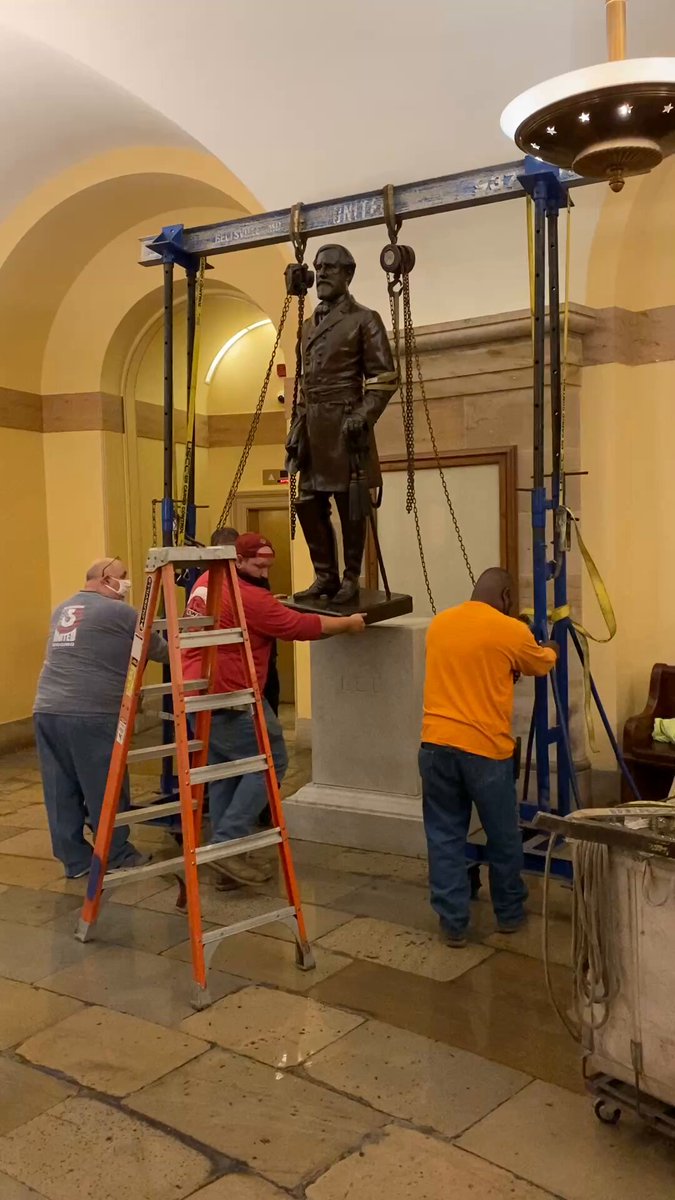
In a historic ceremony that blended reverence for Civil Rights milestones with a renewed commitment to inclusive remembrance, Virginia unveiled a new statue of Barbara Rose Johns in the National Statuary Hall Collection on December 16, 2025. The installation marks a significant shift in how the nation contextualizes its past, replacing the statue of Confederate General Robert E. Lee that previously stood in the Capitol and was removed in 2020.
Historical context and the origin of the change Barbara Rose Johns, then just 16 years old, became a pivotal figure in the American civil rights movement through a quiet act of collective defiance. In 1951, Johns organized a school walkout at her segregated high school in Farmville, Virginia, to protest overcrowding, poor facilities, and unequal resources for Black students. The protest drew attention to the systemic inequalities facing African American students in Virginia and beyond, serving as a catalyst for the broader civil rights movement and the legal challenges that culminated in Brown v. Board of Education.
For decades, the National Statuary Hall Collection has allowed each state to donate two statues to honor notable figures from its history. Over the years, Virginia’s contributions reflected the state’s complicated legacy, including figures associated with the Confederacy. The decision to replace the Lee statue with Johns was part of a broader nationwide reevaluation of public monuments, aiming to emphasize stories of resilience, justice, and social progress while maintaining historical memory. The move follows a pattern seen in other states that have substituted Confederate-era figures with individuals who symbolize civil rights, education, science, or culture.
Design and symbolism of the Johns statue The Virginia statue of Barbara Rose Johns was crafted by a contemporary sculptor whose work emphasizes dignity, agency, and youthful resolve. The sculpture captures Johns at the moment she organized the walkout, her posture conveying determination and leadership. The choice of composition seeks to honor the courage of a teenager whose actions rippled through the nation, underscoring how student activism can be a formidable force for transformative social change.
The statue’s placement in the National Statuary Hall Collection aligns with a growing emphasis on narrating a more multi-dimensional American story. By foregrounding Johns, Virginia highlights the role of students, educators, and local communities in challenging entrenched systems of inequality. The design team deliberately selected a neutral, contemplative aesthetic to invite visitors to reflect on the moral arc of history—from segregation to civil rights, and toward ongoing efforts to secure equal access to education and opportunity.
Economic and regional implications The installation of the Barbara Rose Johns statue in the Capitol has several downstream economic and regional effects, particularly for Virginia and the surrounding Mid-Atlantic region. Museums, universities, and cultural organizations in Virginia have reported increased interest in civil rights history, archival research, and educational programs centered on Johns’s life and the 1951 Farmville walkout. This renewed attention has potential spillover into tourism, with visitors seeking learning experiences tied to Virginia’s role in the civil rights era.
Education departments and teacher training programs in Virginia have integrated Johns’s story into curricula designed to illustrate the origins of school desegregation and the legal battles that followed. By linking a local high school protest to a national Supreme Court decision, educators can demonstrate the practical impact of civic engagement at the community level. The dynamic between local action and national policy offers a compelling case study for economics courses that examine the costs and benefits of social reform and how policy shifts affect public funding for schools, infrastructure, and education equity initiatives.
Economic analysts point to indirect benefits as well. Regions that commemorate civil rights milestones often see increased interest in scholarly tourism, conferences, and commemorative events. In Virginia, universities, historical societies, and cultural institutions may partner to host symposiums and exhibitions focused on Johns’s legacy, potentially spurring local business activity through lodging, dining, and transit during peak event periods.
Regional comparisons and national context Virginia’s decision to replace a Confederate-era statue with Barbara Rose Johns mirrors broader national movements to reevaluate public monuments. Several states have opted to swap out figures tied to the Confederacy for individuals whose legacies are associated with civil rights, science, or arts. These actions reflect a shift in public memory toward tales of resilience, collaboration, and community activism.
The Johns installation sits alongside similar efforts in other states to highlight everyday heroes who contributed to civil rights in ways that transcended nationals. By foregrounding Johns’s leadership as a teenager who challenged entrenched injustice, Virginia contributes to a cohesive national narrative that connects local courage with national progress. The comparison across states illustrates how different regional histories are woven into a shared fabric of American democracy, emphasizing the ongoing struggle to ensure equal rights and opportunities for all citizens.
Public reception and social impact Public reaction to the unveiling of Barbara Rose Johns’s statue has been broadly positive, with educators, civil rights historians, and student groups acknowledging the importance of representing a youth-led turning point in American history. Community leaders in Farmville spoke at the ceremony, noting the long arc of Johns’s influence—from a school in rural Virginia to a symbol of perseverance in a nation still grappling with racial inequalities in education.
Advocates for inclusive remembrance argue that such monuments serve not as celebratory endorsements of all aspects of a figure’s life but as focal points for reflection on the values a society seeks to espouse. In Johns’s case, the statue emphasizes courage, collective action, and the belief that education can be a transformative force—an ethos vital to robust, competitive economies that rely on an educated workforce.
Meanwhile, some voices cautioned about the broader politics of monument placement. Critics note that the national narrative is complex and that public spaces should continue to illuminate diverse perspectives, including those of communities historically marginalized. Proponents respond that memorial spaces function best when they invite ongoing dialogue, education, and community engagement rather than fostering division. The ceremony and ensuing commemorations appeared to lean toward constructive conversation, with schools and cultural institutions planning programming that ties Johns’s life to contemporary educational equity initiatives.
Ongoing educational initiatives and public programs In the wake of the statue’s installation, Virginia’s museums and universities have expanded programming around Johns’s life and the 1951 Farmville walkout. Educational collaborations between high schools, colleges, and local historical societies aim to develop curricula, teacher training modules, and student-centered exhibits that connect Johns’s actions to the broader civil rights movement and the legal framework of Brown v. Board of Education.
Public programs focus on accessibility to history for diverse audiences. In addition to traditional exhibits, organizers are incorporating digital tours, virtual reality recreations of the Farmville protest, and interactive timelines detailing the legal case history and its impact on education policy across the United States. These tools help make the history approachable for younger generations while satisfying researchers and history enthusiasts seeking depth and context.
The economic dimension of these programs is not incidental. Public programming stimulates local economies through visitors’ spending on lodging, meals, and transportation, while also contributing to the cultural capital of the region. Communities that invest in accessible, well-curated historical experiences often see longer-term benefits in terms of regional branding, talent attraction, and higher participation in civic life.
Looking ahead: accountability, memory, and the evolving landscape As the Barbara Rose Johns statue settles into its permanent place in the Capitol, observers anticipate continued dialogue about how monuments shape public memory. The Virginia installation is part of a broader trend toward memorial spaces that teach, inspire, and challenge visitors to consider the complexities of American history—especially the chapters that sparked legal and social transformations.
Educators, historians, and policymakers emphasize the importance of maintaining a balanced approach that acknowledges painful aspects of the past while highlighting pathways to progress. The Johns statue is intended not only to honor a pivotal activist but also to encourage ongoing discussions about educational equity, community organizing, and the role of youth in driving social change. By fostering critical conversations in classrooms and public spaces, communities can cultivate informed citizens equipped to participate in a dynamic democracy.
Public safety and security considerations tied to the installation were addressed through collaborative planning with Capitol authorities. The move maintains solemn respect for the Capitol precinct while ensuring accessibility for visitors, school groups, and researchers. This balance between security and openness is central to the ongoing mission of the Capitol as a living museum and a civic space where history educates and unites a diverse public.
Conclusion The installation of Barbara Rose Johns’s statue in the U.S. Capitol marks a milestone in how the nation commemorates its civil rights legacy. By replacing the statue of Robert E. Lee with Johns’s figure, Virginia reinforces a narrative that foregrounds youth leadership, collective action, and the enduring power of education to catalyze justice and social reform. The decision aligns with a nationwide reexamination of monuments and memorials, emphasizing stories that inspire future generations to engage in civic life and advocate for equal opportunities for all students.
As the public encounters Johns’s likeness in the National Statuary Hall, the broader themes of resilience, community collaboration, and the transformative potential of education remain at the forefront. The statue stands not only as a tribute to a remarkable individual but as a prompt for ongoing inquiry into how communities remember the past, address present inequities, and build a more inclusive future for learners across the country.