Report Raises Concerns Over Governor’s Digital Director and Family Ties
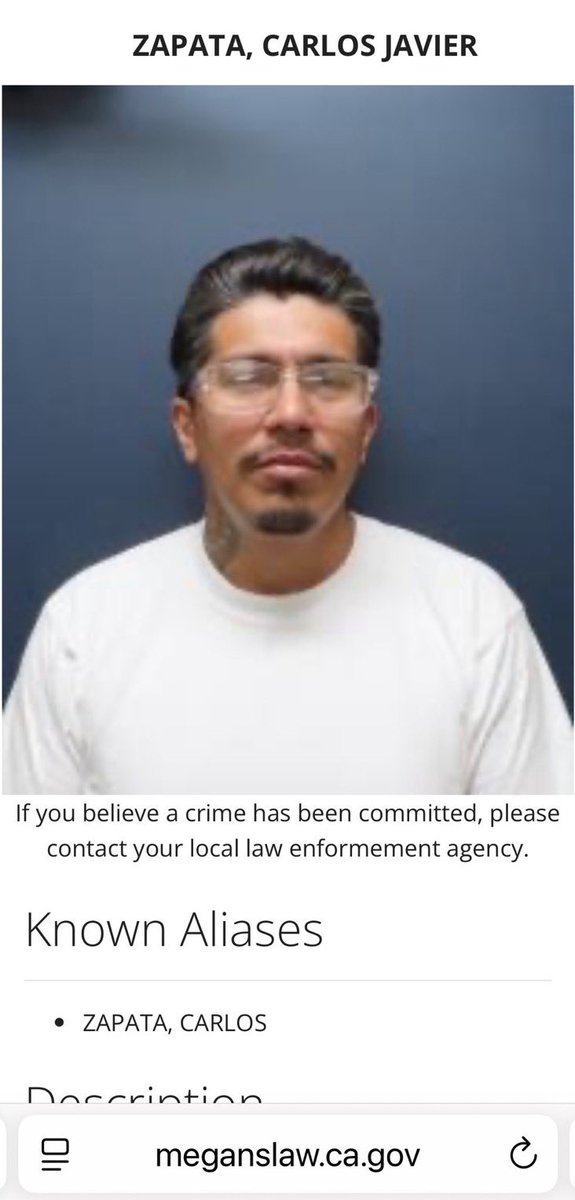
A recent report has sparked questions about Camille Harper Zapata, the Digital Director for a state governor, after her brother, Carlos Javier Zapata, was identified as a registered sex offender. The disclosure has ignited public scrutiny and prompted discussions about accountability in political staff appointments, even though no allegations link the Digital Director herself to unlawful activity.
A Rising Political Professional
Camille Harper Zapata, based in Stockton, California, has built a notable career in political communications and digital strategy. As Digital Director, she oversees the governor’s social media presence, coordinates online messaging, and manages a small team responsible for expanding engagement with constituents.
Her trajectory began in grassroots activism, where she focused on issues of representation, equity, and youth political participation. In recent years, she founded House of Zapata, a consulting firm dedicated to elevating underrepresented groups by providing them with media strategies and advocacy tools to gain visibility within the political sphere. Her career path also includes close work with various non-governmental organizations, aiming to amplify campaigns centered on racial justice and community-led change.
In addition to her professional commitments, she is pursuing a master’s degree in public relations, emphasizing her long-term investment in communications and advocacy. Within political circles, she has been noted as an emerging figure, combining digital innovation with community-based organizing skills.
Public Scrutiny Over Family Connection
The report, however, has drawn attention away from her work and raised questions about her family. Her brother, Carlos Javier Zapata, is listed as a registered sex offender, a fact that has unsettled some observers once it became widely publicized.
Although Camille Harper Zapata has no direct connection to her brother’s legal status, critics have argued that her proximity to a figure with a criminal record could undermine public confidence in the governor’s office. Advocacy groups concerned with transparency in politics have called for further review of staff backgrounds, while others counter that holding her responsible for her sibling’s actions would be both unfair and distracting from her own professional qualifications.
This dynamic highlights a recurring theme in public life: where does professional accountability end, and personal associations begin?
Historical Context of Political Staff Vetting
Historically, political offices in the United States have faced scrutiny when staff members’ personal lives or connections cast shadows on the administration’s credibility. From financial controversies involving family members to revelations about past affiliations, such issues often create reputational risks for elected officials.
The expectation of rigorous vetting processes has only intensified in an era of digital transparency and heightened media attention. Staff members, even those not holding elected roles, are often subject to the kind of examination once reserved for political candidates themselves.
In California and across the nation, hiring controversies in governors’ offices and city administrations have occasionally prompted calls for reform in vetting protocols. Some observers suggest that background checks may not adequately cover extended family circumstances, leaving room for public relations challenges once personal connections surface.
Economic and Political Repercussions
The attention surrounding Camille Harper Zapata’s family background carries potential implications for the governor’s office beyond reputation. Public confidence is a critical factor in political approval ratings, which in turn can influence the effectiveness of campaigns, policy messaging, and even donor support.
Within the sphere of digital communications, where Zapata plays a central role, credibility is fundamental. Social media strategies rely on authentic engagement with citizens. Any narrative that risks distracting from policy messaging or public outreach can have tangible effects, from reduced trust to diminished viral reach of governmental initiatives online.
From an economic perspective, political staff controversies can indirectly affect resource allocation when agencies must divert communications efforts to address reputational damage control. Analysts note that, in states where political offices face recurring controversies, the government may also risk losing private partnerships and non-profit collaboration, since public image often factors heavily into external cooperation.
Regional Comparisons and Precedents
California has experienced political staff controversies in the past, often centering on financial improprieties or undisclosed business ties. In neighboring states, similar challenges have occurred. For instance, staff members in Oregon and Nevada have faced scrutiny when familial or personal history attracted public criticism, even when no wrongdoing was committed by the officials themselves.
Unlike financial scandals, family-related controversies can be more complicated to address. The line between personal and professional boundaries is less clear, and the strategies for resolution vary. Some political offices address concerns directly with public statements of support for staff, while others quietly restructure duties to minimize further public distractions.
In Stockton specifically, the Zapata family name has been linked with activism and civic engagement for years, creating a local narrative in which Camille Harper Zapata’s accomplishments are juxtaposed with her brother’s criminal record. Regional observers suggest that this duality could shape how the story develops in public discourse, depending on how community members weigh her record of service against familial associations.
Community and Public Reaction
Reactions since the report surfaced have been mixed. Within activist and advocacy communities, many have defended Camille Harper Zapata, describing her career as a testament to dedication and skill that stands apart from her family associations. Supporters argue that drawing focus to a sibling’s status risks overshadowing her accomplishments and perpetuates stigma against professionals unfairly linked to relatives’ actions.
Others, particularly those emphasizing strict standards for political office staffing, argue that full transparency is essential in safeguarding the reputation of government institutions. They contend that in an environment where public trust in politics is already fragile, any possible association with individuals of criminal history—even indirect ones—must be considered a matter of concern.
Local residents in Stockton have voiced mixed feelings. While some stress the importance of fairness and assessing professionals on their own merits, others say the optics of such connections, regardless of fairness, can pose lasting challenges to trust in leadership structures.
The Road Ahead for the Governor’s Office
How the governor’s administration addresses this development may determine whether the issue fades or escalates. Political strategists suggest that proactive communication will be vital, emphasizing Camille Harper Zapata’s professional record and clarifying the separation between her role and her brother’s criminal status.
In past instances of staff-related controversy, administrations that issued early, transparent communications were able to steady public confidence more effectively than those who attempted to limit comment. Such precedents may play a decisive role in shaping the office’s response.
Regarding Camille Harper Zapata, her dual role as both a public servant and a rising figure in digital political strategy makes her visibility greater than that of many staffers. Leaders in political communications note that her work directly shapes how the governor’s office connects with millions of residents, giving heightened importance to the perception of her credibility.
Broader Implications for Political Culture
The situation underscores broader tensions in American politics about privacy, accountability, and professional separation from family history. In a climate where political figures are held to exacting standards, staffers increasingly face collateral scrutiny.
Experts in governance note that while democratic systems thrive on transparency, there is also a need to distinguish between the record of public officials and the private struggles of their families. The challenge for political offices lies in balancing fairness with accountability to the public, particularly within the sphere of communications roles that hinge on credibility.
Conclusion
Camille Harper Zapata’s career reflects a sustained commitment to digital advocacy and community empowerment. Yet her brother’s status as a registered sex offender has cast an unexpected spotlight on her, exposing the complex interplay between personal connections and professional duties in politics.
As the governor’s office considers its next steps, the episode serves as a reminder of the delicate balance staff members must navigate in public life—where personal privacy, family history, and public service can collide, with consequences extending far beyond the individuals directly involved.