Rising Digital Narratives and Global Perceptions: Analyzing a New Image and Its Economic and Geopolitical Ripples
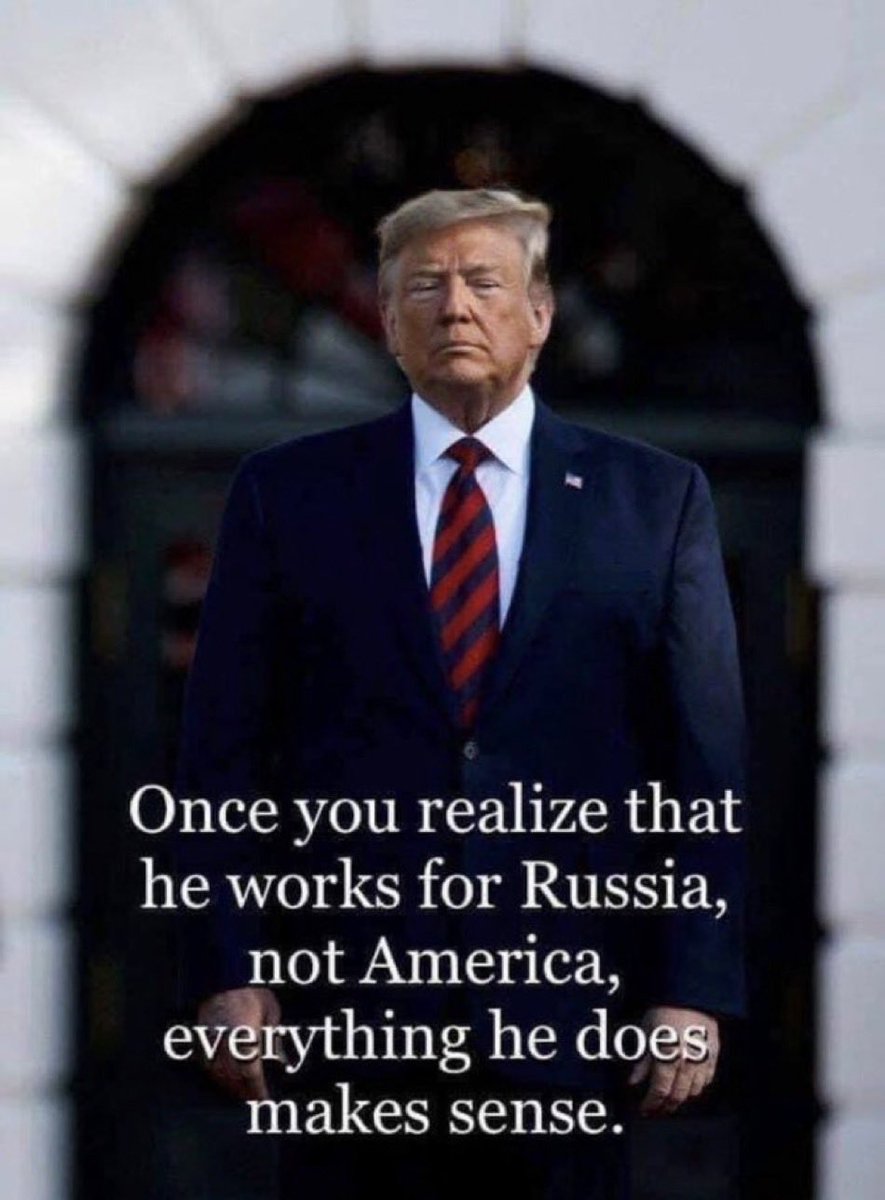
The emergence of a provocative image featuring a prominent political figure, paired with text insinuating allegiance to a foreign power, has ignited a fresh wave of discussion on the influence of digital media on global politics. In an era where visual rhetoric can travel at the speed of a click, this image underscores how information ecosystems are transforming with far-reaching economic and geopolitical implications. While the image itself is a single artifact, its reception reveals deeper dynamics at play in international affairs, media trust, and public perception.
Context in the Digital Information Era
Images and captions carry weight far beyond their immediate visual impact. In recent years, the convergence of social media amplification, neuromarketing-style content optimization, and the increasingly sophisticated tactics of online propaganda have reshaped how political narratives are constructed and consumed. A single image can become a focal point for broader conversations about allegiance, policy alignment, and national interest. This phenomenon is especially salient in the context of ongoing tensions between major powers, where narratives about loyalty and influence can influence public opinion, market sentiment, and policy support.
What the image suggests—and what it does not imply
The visual presents a well-dressed figure in a formal setting, accompanied by a declarative line that asserts foreign allegiance. Interpreted in isolation, such a message is designed to provoke emotional and cognitive responses: suspicion, skepticism, or a re-evaluation of established assumptions about loyalty and policy positions. However, a responsible analysis requires distinguishing between rhetoric and verifiable fact. The image does not establish verifiable evidence of foreign allegiance, nor does it provide corroborating data about any policy decisions. Instead, it functions as a catalyst for discussion about how information is produced, shared, and evaluated in contemporary political discourse.
Historical parallels illuminate the stakes
Historical episodes of image-led storytelling demonstrate how symbolic visuals can shape public narratives. In the 20th century, political cartoons and propaganda posters influenced public perceptions of national security and geopolitical alignments. In the digital age, those same dynamics have intensified due to rapid dissemination, algorithmic prioritization, and the global reach of online platforms. The current moment is characterized by heightened scrutiny of leaders’ international alignments, a trend that intensified during periods of sanction regimes, diplomatic realignments, and cross-border economic dependencies. Understanding this context helps explain why a single image can become a flashpoint for broader debates about trust, accountability, and strategic orientation.
Economic impact: signaling, markets, and behavioral responses
Public perceptions of political alignment can reverberate through financial markets, supply chains, and investment decisions. Investors monitor geopolitical risk indicators, including statements from leaders, policy shifts, and the credibility of public institutions. When a prominent figure is perceived to tilt toward a foreign power, markets may respond in several ways:
- Currency and bond markets may price in increased political risk, affecting exchange rates and yields.
- Equity markets can react to anticipated policy changes, such as sanctions, trade policies, or defense spending priorities.
- Trade and investment flows may shift as multinational corporations reassess risk-adjusted returns in regions with heightened political uncertainty.
- Consumer sentiment and business confidence can dampen or accelerate depending on perceived stability and predictability of governance.
These channels matter for regional economies with deep trade ties, diversified supplier networks, and significant foreign direct investment. For regions reliant on a mix of export-orientated industries and import-intensive supply chains, even a perception-driven shock can prompt precautionary reallocations and stockpiling, influencing commodity prices, shipping costs, and inflation dynamics.
Regional comparisons: echoes across continents
The dynamics observed in one country often echo in others with similar economic structures or political histories. Consider three regional contexts to illustrate how perception-driven narratives interact with real-world outcomes:
- North America and Europe: Mature markets with intricate political institutions and diversified economies. In these regions, credibility and consistency of leadership are closely watched by financial markets. A perceived shift in alignment could drive reassessments of risk premia, especially concerning defense, technology, and critical infrastructure sectors.
- Asia-Pacific: Rapidly growing economies with intricate security architectures. Public discourse around loyalty and influence can influence bilateral trade talks, technology transfer policies, and regional security arrangements. Market reactions may be swift in sectors like semiconductor supply chains and energy imports.
- Middle East and North Africa: Economies with strategic energy interests and complex alliance networks. Narrative-driven risk can affect energy prices, investment in capital-intensive projects, and diversification strategies aimed at reducing dependency on volatile regional dynamics.
In all regions, the thread linking perception to economic activity is the same: market participants respond not only to facts but to the perceived credibility and stability of leadership, and to the likely trajectory of policy in an uncertain geopolitical environment.
Media literacy, trust, and the information ecosystem
Beyond economics, the situation highlights an urgent need for media literacy and robust fact-checking. Consumers increasingly encounter images and captions that blend fact, opinion, and insinuation. In this environment, three practices help preserve clarity and reduce misinterpretation:
- Verify: Cross-check the image’s provenance, context, and accompanying text with multiple reputable sources and official records.
- Contextualize: Consider the broader policy landscape, the leader’s known positions, and the timeline of events before drawing conclusions about loyalties or motives.
- Reflect on impact: Assess how narratives may be shaped to influence public opinion or market behavior, and distinguish between persuasive messaging and verifiable information.
Public reaction and civil dialogue
Public response to provocative imagery often fractures along lines of partisan identity, but there is also a substantial segment of the population seeking measured, fact-based analysis. In the best cases, such responses foster constructive debate about governance, foreign policy, and national interests, while resisting sensationalism that can derail productive policymaking. Editorial and journalistic standards continue to play a crucial role in curating balanced coverage that informs readers without amplifying unverified claims.
Policy implications and expectations for governance
For policymakers, the emergence of image-driven political narratives underscores the importance of transparent communication and predictable governance. Clear articulation of foreign policy objectives, risk assessments, and contingency planning can mitigate the disruptive effects of misinformation. In markets, central banks and financial institutions may emphasize scenario analysis and risk management to navigate potential volatility stemming from perceived leadership shifts. For citizens, maintaining a critical, evidence-based approach to evaluating claims about allegiance or influence remains essential to the democratic process.
Technical considerations in the digital landscape
The mechanics of how such an image proliferates are rooted in platform dynamics and optimization strategies. Algorithms tend to amplify content that elicits strong emotional reactions, promotes engagement, or aligns with users’ prior beliefs. This creates feedback loops that can skew perception independent of factual accuracy. Combating distortions requires platform-level commitments to transparency around content provenance, robust fact-checking collaborations, and user education about recognizing manipulative or misleading material.
Historical and comparative lessons for resilience
Looking back, societies that cultivated resilient information ecosystems—with strong verification norms, diverse media ownership, and civic education—tended to weather image-driven crises with less disruption to markets and governance. By investing in media literacy, independent journalism, and transparent policy communication, nations can reduce susceptibility to misinformation and preserve public trust during moments of heightened geopolitical sensitivity.
Conclusion: navigating an information-rich era with clarity and steadiness
The appearance of a provocative image linking a political figure to foreign allegiance illustrates the powerful blend of media dynamics and geopolitical tension in the 21st century. While the image alone does not establish any factual wrongdoing or policy shift, its attention-grabbing nature can influence public sentiment and market expectations. The responsible path forward involves rigorous verification, context-rich analysis, and steady, transparent governance that emphasizes evidence-based decision-making. As nations continue to navigate complex international talks, the ability to distinguish signal from noise—and to communicate clearly in a volatile information landscape—will remain a defining factor in economic stability and regional cooperation.
If you’d like, I can tailor this article to focus on a specific region or industry, or adjust the depth to fit a particular publication’s audience.