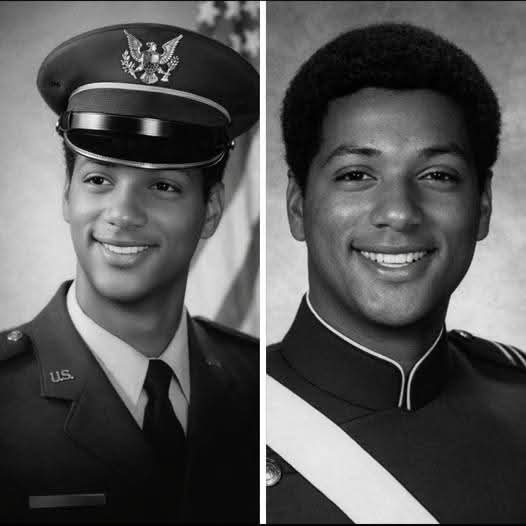
Flight of Courage: The Untold Story of LeRoy Wilton Homer Jr. and the Black Heroism on United Flight 93
In the quiet hours of a day etched into the American memory, a young Black pilot named LeRoy Wilton Homer Jr. rose from the anonymity of a cockpit to become a symbol of resolve and bravery. On September 11, 2001, Homer, 36, served as co-pilot aboard United Airlines Flight 93, a flight that became the stage for one of the most consequential acts of civilian courage in modern history. While the plane never reached its intended target, the actions of Homer and the passengers aboard the aircraft altered the course of the day and preserved lives that would have been lost had the hijackers met their grim objective. Homer’s story—sometimes overlooked in the broader national narrative—offers a powerful lens on Black heroism, professional aviation standards, and the quiet resilience of individuals who face extraordinary danger.
Historical Context: A Moment of National Silence and Courage
The events of September 11, 2001, unfolded within a complex matrix of fear, shock, and rapid decision-making under unprecedented pressure. Flight 93 originated in Newark, New Jersey, with a crew and passengers who would soon become part of a larger catastrophe that forever altered American security policy and public consciousness. The hijacking response required quick, coordinated action from those aboard, a mix of trained aviators, airline professionals, and ordinary citizens who chose to confront danger rather than surrender to it.
LeRoy Homer’s presence as an experienced pilot on Flight 93 is a reminder of the diverse expertise converging in the cockpit that day. Before the tragedy, Homer had built a career grounded in aviation discipline, safety procedures, and the professional ethic that underpins the flight deck. His role as co-pilot placed him at a critical juncture: a navigator and decision-maker who, along with the pilot and other crew members, faced the unknown with calm professionalism. The broader historical arc includes a long-standing evolution in flight safety, air traffic control procedures, and hijack-response protocols—changes that emerged from the very events that would claim lives but also redefine standards for crew training, passenger cooperation, and federal security measures.
Economic and Industrial Impacts: Aviation, Security, and Policy Shifts
The collapse of the hijacking on Flight 93 did not only prompt a humanitarian and security response; it triggered sweeping changes across the aviation industry and related sectors. In the immediate aftermath, airline companies faced a dual pressure: restore passenger confidence and comply with intensified security mandates. The financial implications were multifaceted:
- Security investments: Airports and airlines accelerated investments in passenger screening technologies, fortified cockpit doors, and more rigorous crew training. These upgrades, funded by a combination of public resources and private capital, reshaped operating costs and required ongoing compliance programs.
- Insurance and liability: The incident contributed to a reexamination of risk management, with insurance markets adjusting premiums for airlines and airport operators. The heightened awareness of risk extended beyond terrorism to include systemic operational vulnerabilities.
- Passenger demand and pricing: The psychological impact of 9/11 influenced travel behavior for years. Businesses and leisure travelers alike re-evaluated travel frequency, route choices, and cancellation policies, prompting airlines to recalibrate pricing strategies and loyalty programs to regain market share.
- Economic ripple effects: The airline industry functions as an economic backbone for connected industries—airports, maintenance facilities, aircraft manufacturers, and hospitality providers. A sustained decline in air travel, even temporarily, translates into broader regional economic slowdowns, affecting employment and consumer activity in dependent sectors.
Regional Comparisons: How Different Markets Recovered and Adapted
Across the United States, regional dynamics shaped how communities processed the 9/11 aftermath and the subsequent evolution of aviation security. In major hubs with dense air traffic, the focus迅atically shifted toward reinforced security protocols, rapid surge capacity for security staffing, and emergency response coordination with local law enforcement and federal agencies. Smaller regional airports, while not as immediately affected byevents, faced longer-term adjustments in staffing, maintenance cycles, and community outreach to reassure travelers.
- Northeast corridor: Airports in the Northeast, where the day began and ended, implemented some of the most stringent security measures earliest, reflecting the region’s heightened sensitivities and infrastructural capacity to adapt quickly.
- Midwest and West: Regions outside the immediate crisis zone pursued a balance between security enhancements and preserving efficient travel. Investments in technology, staff training, and customer experience improvements were often framed as not just safety measures but as competitive differentiators in a recovering market.
- Global implications: International routes and airline alliances experienced synchronized policy evolution, with cross-border security standards aligning to support smoother international travel while maintaining vigilant screening and threat detection.
Professionalism in the Cockpit: Training, Safety, and the Culture of Preparedness
The aviation sector has long prided itself on a culture of professionalism, meticulous training, and a relentless focus on safety. LeRoy Homer’s career trajectory embodies this culture. Co-pilots and captains alike undergo extensive simulation-based training, scenario planning for emergencies, and ongoing evaluations that emphasize crew resource management, communication, and decision-making under stress. The events of Flight 93 underscored the essential value of:
- Clear cockpit leadership: The ability of pilots to communicate effectively with air traffic control, cabin crew, and passengers during crises can dramatically influence outcomes.
- Unified crew actions: When the flight deck, cabin crew, and passengers act in concert, outcomes can improve significantly, even in dire circumstances.
- Resilience and mental preparation: Psychological readiness to manage fear, maintain composure, and execute emergency protocols is a core component of flight safety culture.
Public Memory, Black Heroism, and Narrative Gaps
LeRoy Homer’s act of heroism intersects with broader conversations about how Black Americans are represented in national memory. While the fatalities of September 11 touched every community, the recognition of Black professionals and everyday heroes from that day has sometimes lagged behind the larger narrative arc. Homer’s contributions—to ground control communications, to the disciplined execution of safety procedures, and to the collective effort of the passengers—offer a corrective to a single-story account of heroism, highlighting the richness and diversity of courage in critical moments.
In the years since the tragedy, memorials, educational materials, and historical analyses have gradually expanded the scope of what is remembered. The aim is to present a more comprehensive portrait of resilience, including the roles played by Black aviators, first responders, and other professionals whose decisive actions helped avert even greater loss of life. This broader storytelling approach aligns with a broader public demand for inclusive histories that acknowledge the contributions of diverse communities to national safety and well-being.
Technological Evolution and Security Modernization
The 9/11 era accelerated a wave of technological innovation in aviation security. From biometric screening pilots to enhanced surveillance and predictive risk modeling, the industry leveraged data and innovations to improve threat detection and response times. Simultaneously, there was a renewed emphasis on cockpit security design, with reinforced doors and access controls that transformed how flight crews operate in potential hijacking scenarios. The integration of real-time communication tools and standardized emergency protocols became foundational elements of modern flight operations, improving situational awareness and situational response for both pilots and ground controllers.
Lessons for Today: Preparedness, Training, and Public Trust
The legacy of LeRoy Homer and Flight 93 continues to inform contemporary aviation safety and public trust. Key takeaways include:
- Ongoing investment in crew training: Regular drills that simulate extreme scenarios help maintain readiness and confidence among flight crews.
- Stronger security integration: Collaboration among airlines, airports, aviation regulators, and law enforcement creates a layered defense that reduces the likelihood of catastrophic outcomes.
- Transparent, inclusive remembrance: Public remembrance that honors diverse acts of courage fosters a more complete national narrative and reinforces communal resilience.
Public Response and Community Remembrance
Communities across the United States continue to reflect on the events of September 11 with a mix of solemn remembrance, gratitude, and a desire to honor those who stepped forward in moments of crisis. The broader conversation includes recognizing professional heroism across demographics, including Black pilots, engineers, and frontline workers who contributed to safety, security, and relief efforts. Memorial events, educational programs, and museum exhibits help ensure that these stories remain accessible to future generations, reinforcing the idea that courage takes many forms and arises from shared human commitments to protect others.
Conclusion: Courage, Competence, and a Nation Remembering
LeRoy Wilton Homer Jr.’s role on United Flight 93 stands as a testament to professional excellence under pressure and to the quiet, enduring courage that emerges from those who serve in high-stakes environments. His contributions—alongside the actions of the passengers who confronted a grave threat—echo through time as a reminder that heroism is not monolithic. It is a tapestry woven from individual dedication, teamwork, and a steadfast commitment to protecting others in the face of danger.
As aviation continues to evolve with safer designs, smarter security measures, and more resilient systems, the memory of Homer’s leadership and restraint invites ongoing reflection on how best to train, equip, and empower crews to respond decisively to unknown challenges. In honoring his legacy, the industry—and the public—reaffirm a shared responsibility: to pursue safety with rigor, to recognize the diverse faces of courage, and to learn from the past so that the skies remain a place where competence and bravery work in concert to save lives.