Katherine McNamara Turns Heads at Golden Globes After-Party in Teal Silk Gown
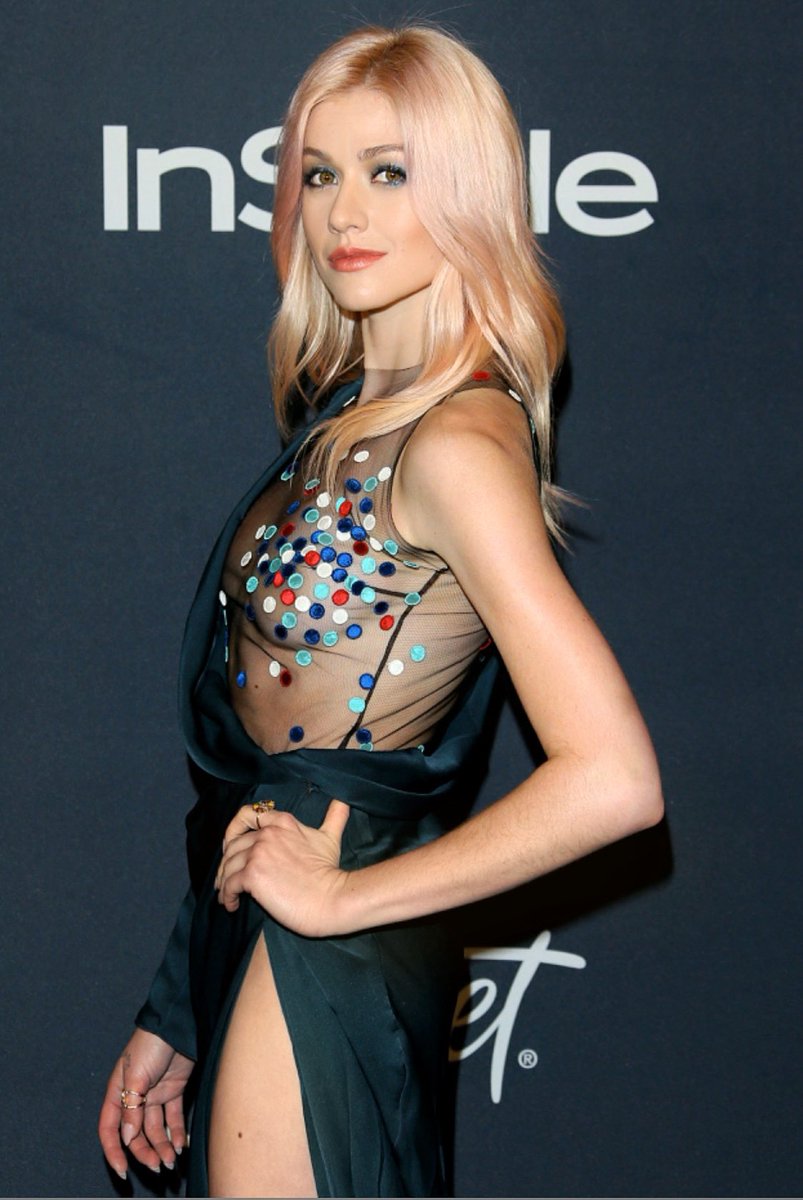
In a night defined by glamour and glitter, actress Katherine McNamara delivered a striking appearance at the InStyle and Warner Bros. Golden Globes After Party. She wore a teal silk gown with a one-shoulder silhouette, a sheer bodice adorned with multicolored bead embellishments, and a thigh-high slit. The ensemble was completed with pink hair and white heels, creating a look that combined classic red-carpet elegance with contemporary, fashion-forward details.
A moment that captured attention on the after-party circuit, McNamara’s gown stood out for its balance of texture, color, and movement. Teal has long been a color associated with sophistication and confidence, and in this instance it provided a vibrant counterpoint to the more understated palettes often seen at after-party events. The one-shoulder design offered an asymmetrical line that framed her posture and drew the eye along the gown’s length, while the sheer bodice allowed a peek of skin in a controlled, decorative manner. Multicolored beadwork added texture and a touch of whimsy, elevating the look beyond a simple silk column.
The sartorial moment echoes broader trends in post-ceremony fashion, where stars pivot from formal awards-night gowns to party-ready silhouettes that photograph well under flashbulbs and ambient lighting. Designers have increasingly embraced hybrid aesthetics that merge timeless elegance with statement embellishments, allowing celebrities to curate memorable moments while maintaining practicality for after-hours events. McNamara’s choice aligns with this approach, leveraging a bold color, strategic transparency, and metallic accents to craft a look that is both photogenic and stage-ready for a dynamic social calendar.
Historical context and fashion evolution provide useful perspective when evaluating such a choice. The Golden Globes, as a catalyst for red-carpet versus after-party fashion, have long influenced how designers approach formalwear in the subsequent hours. In years past, after-parties favored minimalist silhouettes or luxe versions of classic evening wear. In recent seasons, however, the boundary between formal gowns and partywear has blurred. Designers like Elie Saab, Versace, and Valentino have pushed for gowns that perform across multiple lighting environments, from studio flash to club lighting, with fabrics that hold shape and color under varying temperatures and angles. McNamara’s teal silk gown embodies this evolution: a fabric renowned for its fluid drape and saturated color, enhanced by beadwork that catches light without overpowering the wearer.
From an economic standpoint, post-awards fashion moments contribute to a broader ecosystem of design, manufacturing, and retail momentum. The immediate impact includes increased demand for luxury fabrics, intricate beadwork, and custom tailoring, resulting in higher order volumes for bridal and evening-wear houses that produce such pieces. The after-party circuit also fuels sales in adjacent sectors, such as accessories, footwear, and beauty products, as brands leverage high-visibility appearances to showcase complementary items. For emerging designers and established fashion houses, these moments translate into marketing value—an aura of exclusivity that can drive future pre-orders, limited editions, and collaborations across beauty and jewelry segments.
Regional comparisons illustrate how similar moments resonate differently across fashion centers. In North America, where major awards ceremonies unfold, stylists prioritize pieces that photograph well on shuttered club walls and limelight-lit photo booths. Europe, by comparison, often experiences a broader appetite for haute couture pieces that double as runway-inspired statements for weeks of events around fashion weeks. In both regions, the emphasis remains on craftsmanship, fit, and an ability to translate a single look into multiple media formats—from magazines to social media to red-carpet recap videos. McNamara’s teal gown demonstrates the North American emphasis on vibrant color stories and movement-friendly silhouettes that translate across multiple platforms, including streaming recaps and entertainment news outlets.
Public reaction to the ensemble appeared notably positive across social media and fashion commentary outlets. Fans praised the bold color choice and the balance between sheer elements and structured tailoring, noting that the bead embellishments added personality without compromising the gown’s silhouette. Critics highlighted the risk-reward dynamic of a one-shoulder neckline paired with a thigh-high slit, describing the look as visually compelling when paired with the pastel-pink hair and contrasting white footwear. The overall sentiment indicated that McNamara succeeded in delivering a look that is memorable, photogenic, and appropriate for a high-profile after-party setting.
Beyond the aesthetic, the moment underscores the evolving role of public figures in shaping fashion discourse. Celebrities increasingly serve as real-time influencers, with stylists coordinating appearances that harmonize with brand partnerships, designer commitments, and personal branding narratives. McNamara’s look appears to be part of a broader strategy that positions her as a modern fashion-forward figure who can blend classic elegance with contemporary street-style sensibilities. This dual approach not only captivates audiences during peak event windows but also sustains attention in the weeks following the ceremony, as coverage continues across entertainment media and fashion blogs.
The gown’s materials deserve attention for their technical aspects. Silk fabrics, particularly when crafted into flowing silhouettes, demand careful handling to maintain drape and sheen. The teal hue, especially in silk, benefits from lighting that enhances depth without washing out the color. The sheer bodice with bead embellishments requires precise tailoring to ensure stability and comfort, especially when moving through crowded venues or posing for photographers. The thigh-high slit adds an element of ease and ease of movement, which is particularly relevant for lengthy evenings that involve standing, walking, and multiple photo opportunities. Footwear in a contrasting white hue provides a clean termination line to the look while ensuring visibility under various lighting conditions.
From a design perspective, the integration of color theory and texture is evident in McNamara’s choice. Teal sits between blue and green on the color spectrum, a shade often associated with calm confidence and sophistication. The beads introduce a tactile dimension that catches light from multiple angles, creating a dynamic effect as the wearer moves. The one-shoulder design creates a diagonal line that guides the eye from the collarbone downward along the bodice and skirt, contributing to a lengthening optical illusion ideal for evening wear. The overall composition demonstrates how modern eveningwear can balance narrative complexity with wearability.
Looking ahead, this look may influence upcoming collections and styling choices for other award-season appearances. Fashion editors and stylists may reference the gown when evaluating how to incorporate bold color choices into formal wardrobes without appearing ostentatious. Designers could explore teal silk offerings with embellishment options that echo the beadwork, while retailers might highlight similar silhouettes in seasonal campaigns to capture consumer interest during peak shopping periods. The after-party visibility acts as a microcosm of the fashion ecosystem, illustrating how a single garment can ripple through design discussions, retail strategies, and consumer engagement plans.
In sum, Katherine McNamara’s after-party appearance at the Golden Globes event, marked by a teal silk gown with a one-shoulder silhouette, a sheer gemstone-studded bodice, and a thigh-high slit, reflects contemporary fashion’s blend of bold color, intricate detailing, and practical elegance. The ensemble resonated with audiences for its poise, movement, and modern edge, while offering a clear example of how post-awards fashion can extend the cultural dialogue surrounding style, identity, and public perception. As fashion continues to evolve in the awards circuit, moments like this will likely be cited in roundups and analyses for their contribution to ongoing conversations about color, texture, and form in the contemporary wardrobe.