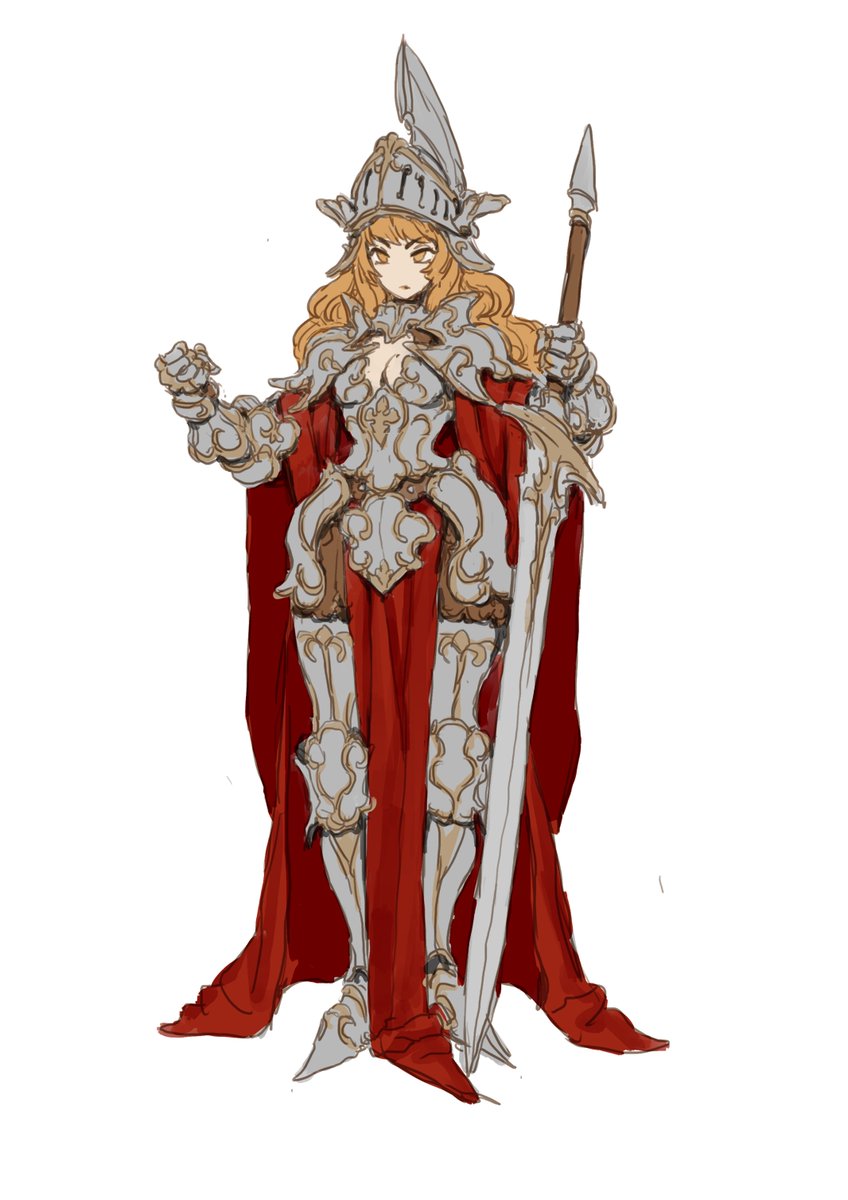
Striking New Artwork of Lady Knight Unveiled
A striking new sketch of a lady knight has been unveiled, sparking significant attention for its intricate armor design, symbolic imagery, and commanding presence. Released on September 23, 2025, the artwork portrays a female knight in finely detailed armor, highlighted by a flowing red cape and an ornate helmet. With a long spear in hand and a resolute expression, the character evokes themes of strength, dignity, and guardianship that have resonated deeply with audiences across art, history, and fantasy circles.
A Modern Retelling of Classic Imagery
The lady knight sketch reimagines medieval and Renaissance traditions through a modern artistic lens. While armored women have appeared in historical chronicles and folklore, they are often underrepresented in both traditional artistic depictions and mainstream narratives. This new illustration balances authenticity with creative interpretation, using engraver-like precision and dramatic emphasis on cloth, steel, and weaponry.
The flowing red cape recalls regal and martial symbolism, as crimson hues have long been tied to courage and sacrifice. In medieval Europe, red was a color worn by commanders, nobles, or religiously sanctioned warriors to emphasize rank and bravery on the battlefield. The helmet, detailed with crested etchings, reflects influences from Gothic and late-medieval armory, where helmets were not merely protective but also served as symbols of identity and prestige.
The spear further reinforces the knight’s image as both warrior and protector. Unlike the sword, which is often depicted as the weapon of the lone duelist, the spear represents reach, defense, and battlefield command — an appropriate choice for a figure intended to appear commanding rather than solely ornamental.
Historical Precedence of Female Knights
Though primarily associated with men, knighthood and chivalric symbolism have historically extended to women in both European and non-European contexts. One of the most prominent historical parallels is Joan of Arc, the fifteenth-century French peasant girl who donned armor and became a figurehead for her country’s military campaigns during the Hundred Years’ War.
Other lesser-known examples include women such as Sichelgaita of Salerno, who is believed to have ridden into battle alongside her husband in the eleventh century, and the Order of the Hatchet in twelfth-century Spain, granted to women of Tortosa for their defense of the city. In Japan, female samurai warriors — known as onna-bugeisha — trained in the use of polearms such as the naginata, offering a rich comparative lens for understanding female warriors across global traditions.
The new lady knight illustration draws informally from these historic precedents while filtering them through fantasy aesthetics. While the armor does not claim authenticity to any single region or century, its composite elements echo the visual language of ceremonial armor intended to inspire awe and respect as much as to serve in physical combat.
Artistic Craftsmanship and Reception
Artists and enthusiasts have highlighted the craftsmanship of the piece as one of its defining qualities. The armor plates are rendered with close attention to detail, showing rivets, greaves, and layered metalwork carefully shaded to convey realistic depth. The cape, depicted with sweeping motion, adds dynamism, suggesting that the knight is either advancing forward or standing defiantly with wind catching the fabric behind her.
Public reaction to the unveiling has been enthusiastic. Fans of fantasy illustration see the sketch as a potential cover art for novels, games, or role-playing adventures, while historians and costume designers debate the accuracy of the depicted armor. Many point out that the balance struck between realism and flair is deliberate — inviting the viewer both to admire the technical precision and to imagine the grand narrative behind the figure.
Social media discussions surrounding the artwork have circulated comparisons with iconic depictions of knights in Western fantasy, such as branching from Arthurian legends, as well as characters from popular gaming franchises. Discussions also highlight the significance of placing a female warrior in a pose historically dominated by male figures, reinforcing changing audience appetites for more diverse representations of heroism.
Economic and Cultural Impact
Beyond its artistic value, the release of the lady knight sketch speaks to broader market trends. The fantasy art industry has grown steadily over the past decade, fueled by developments in digital gaming, film production, publishing, and collectible merchandising. Original sketches, concept art, and illustrated covers now serve not only as creative works but also as commercial assets, shaping everything from narrative world-building to character licensing.
Collectors and online communities drive significant demand for singular artworks like this, often spurring limited edition prints or commissions that can command substantial sums. For emerging artists, the unveiling of a piece that captures widespread attention can lead to recognition across multiple industries, from entertainment to education. Museums and galleries are increasingly open to showcasing fantasy-inspired visuals alongside more traditional works, recognizing their influence in shaping modern cultural myths.
The unveiling on September 23 has already prompted speculation about potential follow-up illustrations. Some observers suggest a full series of knightly characters may be in development, while others wonder if the sketch hints at broader storytelling in progress — possibly concept art for an upcoming project in film, literature, or interactive media.
Comparisons Across Regions and Traditions
The international resonance of the image underscores how the archetype of the warrior transcends geography. In Europe, knights became deeply tied to Christian chivalric orders, literature such as the "Song of Roland," and Arthurian cycles. These cultural memories were then romanticized during the Gothic Revival of the nineteenth century, embedding images of knights firmly within Western imagination.
In East Asia, comparable archetypes included the Japanese samurai or Chinese warrior women of folklore like Hua Mulan, who embodied duty, loyalty, and martial skill. The spear in particular serves as a bridge across traditions, as it features prominently in both European pike formations and in Asian martial arts weaponry. By presenting the lady knight with a spear, the artist inadvertently connects diverse traditions where women played a role in martial defense, even when limited by custom or law.
Viewers across regions may thus find their own cultural touchpoint within the imagery, explaining its strong resonance. In an increasingly globalized artistic market, such cross-cultural connections heighten both appreciation and marketability.
The Symbolism of the Red Cape
One feature that has especially captivated observers is the vivid red cape. Beyond its immediate visual effect of dynamic movement, historians note that the cape carries rich symbolic undertones. Throughout art history, capes and cloaks have denoted power and protection. In medieval iconography, saints, monarchs, and commanders were often depicted with flowing robes or mantles conveying spiritual authority or martial command.
The choice of red in particular signals more than just design aesthetics. Red often symbolizes sacrifice, blood, and resilience, traits closely associated with martial valor. In literature and historical records, knights clad in red garments were intended to appear fearless, projecting the image of unyielding dedication to both sovereign and cause. In the hands of a female knight, this symbolism gains a modern reframing — positioning her as an equally worthy bearer of these qualities traditionally reserved for male warriors.
Looking Ahead
As audiences continue to engage with the lady knight sketch, the conversation surrounding it reflects both admiration for its craftsmanship and deeper reflection on the cultural significance of warrior imagery. Whether the piece remains a standalone artwork or evolves into part of a larger project, its unveiling has sparked global dialogue about representation, historical continuity, and artistic imagination.
What stands out most is the sense of presence encapsulated by the figure — the commanding stance, the spear braced with readiness, and the flowing cape suggesting momentum against unseen forces. These qualities transform a single sketch into a layered piece of storytelling, capable of inspiring historical curiosity, critical analysis, and personal wonder.
The lady knight unveiled on September 23, 2025, is more than just a drawing. It has become an emblem of evolving artistic voices, bridging tradition and modernity, while opening new pathways for female-centered representations in fantasy and history alike.