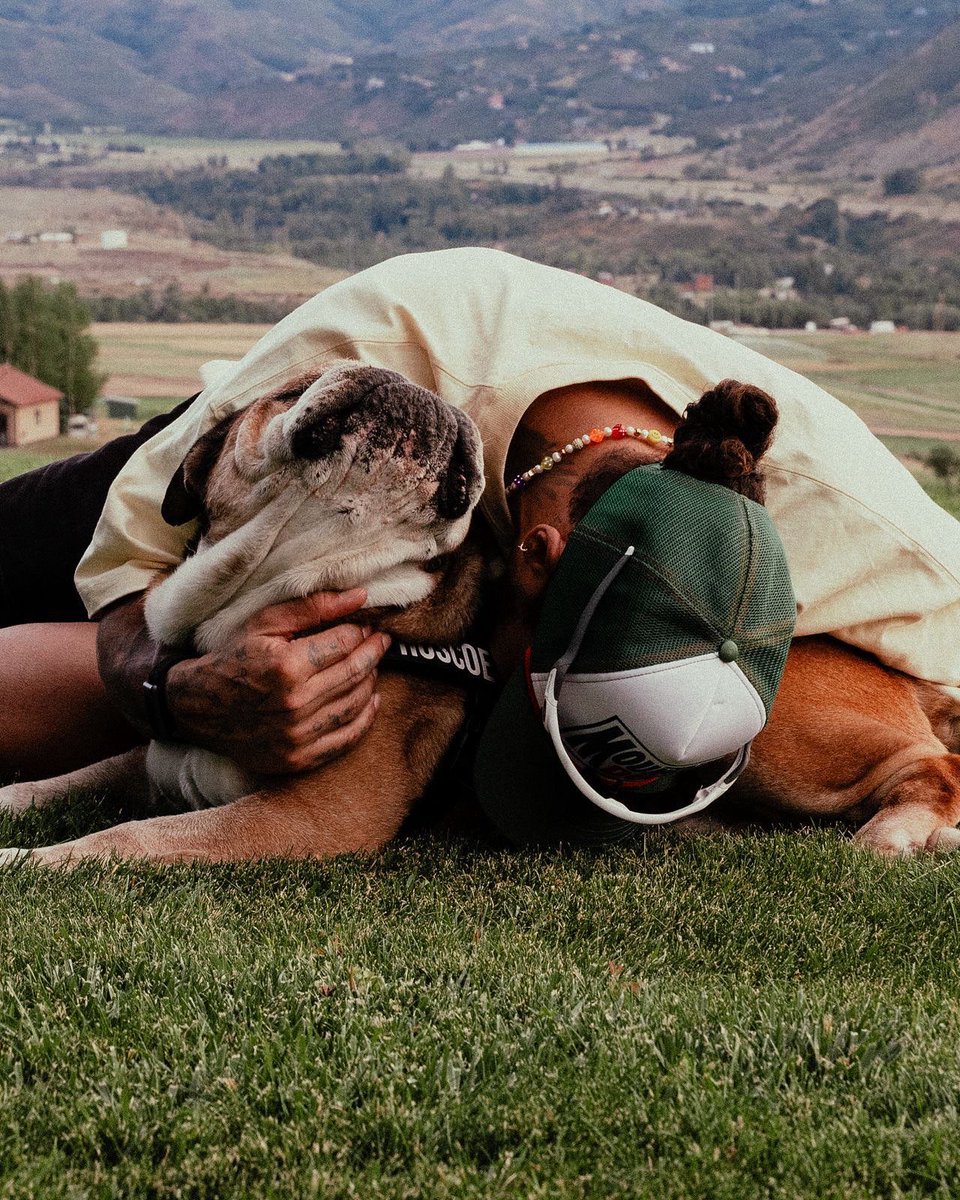
Formula 1 Champion Mourns the Loss of Beloved Bulldog Roscoe After Pneumonia Battle
The Formula 1 world paused to share in the grief of a reigning champion who announced the passing of his beloved bulldog, Roscoe, on Sunday evening. The 13-year-old bulldog, who had been by his side for much of his racing career, died in his arms after battling severe pneumonia. Roscoe had been placed on life support for four days before the difficult decision was made to let him go peacefully.
In a heartfelt message to fans, the champion described Roscoe not only as a loyal companion but as a constant source of joy and strength during the highs and lows of an intense sporting career. Known affectionately to followers of Formula 1, Roscoe had become a familiar face in the paddock and a symbol of the more personal side of a sport often defined by speed, precision, and competition.
Roscoe: More Than Just a Pet
Roscoe was not simply the pet of a global sports star. He became an icon in his own right, frequently photographed at races, walking alongside his owner during the tense pre-race atmosphere, or lounging around motorhomes in the paddock. His presence offered fans a rare glimpse of humanity and warmth within the high-pressure environment of Formula 1.
Fans adored his appearances on social media, where posts showed him traveling across continents, riding private jets, and basking in attention at press events. Despite the glamorous settings, Roscoe’s charm stemmed from his calm demeanor and clear bond with his owner. In many ways, he softened the often-intense image of motorsport, reminding the public that beneath the helmets and fast cars, drivers have their own lives and vulnerabilities.
A Companion Through Triumph and Turbulence
For more than a decade, Roscoe witnessed the champion’s unparalleled success in Formula 1, a span that saw record-breaking victories, multiple world titles, and global fame. Beyond triumphs, Roscoe was also present during challenging periods, serving as a grounding force.
The driver himself credited the bulldog with helping him cope with the solitude of a demanding travel schedule and the relentless pressure of competition. During long races and grueling testing sessions far from home, Roscoe remained a reminder of stability, companionship, and unconditional loyalty.
It was this profound connection that prompted the champion to withdraw from a recent tire test—a rare decision in a sport where every track session holds significance. Instead, he chose to remain by Roscoe’s side during his final days, a testament to the deep bond they shared.
The Final Days and Public Farewell
According to the driver’s statement, Roscoe had been put on life support following complications with pneumonia. The prognosis was grave, and after four days, he ultimately passed peacefully in his owner’s embrace.
“Roscoe was my best friend. He gave me love when I needed it most, and always with the purest heart,” the driver’s tribute said, thanking fans for their years of kindness and affection toward the bulldog.
The sporting community quickly rallied in support. Fellow drivers, team members, and fans expressed condolences online. Social media filled with photos and memories of Roscoe, underscoring how deeply he had touched not only his owner’s life but also the wider Formula 1 family.
Animals in the Spotlight of Sport
While rare, Roscoe’s popularity is part of a growing cultural moment where athletes’ pets attract significant public attention. In football, basketball, and tennis, several star athletes have introduced their pets to fans, often using them to bridge the gap between sporting celebrity and everyday relatability.
For Formula 1, a sport historically perceived as glamorous but distant, Roscoe brought relatability. He offered fans a way to engage with the champion on a more human level. This relationship became a brand in itself: Roscoe had an online following numbering in the hundreds of thousands, with fans closely following his adventures.
Roscoe became emblematic of the softer side of a sport dominated by engineering marvels and fierce rivalries. Many fans expressed that they, too, felt they had lost “a member of the paddock” with his passing.
The Economics of a Public Icon
While Roscoe was first and foremost a beloved pet, his presence also carried economic influence, intentionally or not. Social media posts featuring him often received far higher engagement than race updates, allowing the champion’s brand to extend beyond the limits of motorsport.
Partnerships and endorsements sometimes leaned into this relatability, and merchandise featuring Roscoe became collectible items among loyal fans. Sports marketing experts note that such figures—whether human or animal—strengthen the personality of an athlete’s brand, giving them longevity even after their peak competitive years. Roscoe’s legacy will likely endure through these connections, continuing to anchor fond memories for the racing community.
Regional Context: Pets and Public Life
In many parts of Europe, the Middle East, and Asia—key markets for Formula 1—dogs occupy a prominent place in culture and family life. Roscoe’s story resonates beyond racing because it reflects a broader, universal bond between humans and animals.
In European racing hubs like Italy, Germany, and the UK, dogs are cherished companions frequently brought to public spaces, including sporting arenas and team facilities. In Japan and Australia, social media accounts dedicated to pets enjoy millions of followers, underscoring the crossover of animal companionship into public entertainment.
By bringing Roscoe into the heart of the Formula 1 paddock, the champion reflected these cultural patterns, reinforcing connections with fans from a wide array of backgrounds.
The Emotional Toll on a Champion
For a competitor renowned for resilience under pressure, the loss of Roscoe marks a deeply personal challenge. Within Formula 1’s unforgiving calendar, grief often sits uneasily alongside preparation for the next race. The driver faces the inevitable task of continuing with his professional responsibilities while carrying the personal weight of loss.
Athletes across sports have spoken about the quiet but acute pain of losing pets. Unlike publicized competitions ortitles, these moments unfold privately. Yet, the champion chose to open his grief to fans, showing the same transparency he has often demonstrated in his career. In doing so, he highlighted the universal reality that even amid global success, personal heartbreak touches everyone.
Legacy of Roscoe in Formula 1
Though Roscoe can no longer be physically present at races, his impact on Formula 1 endures. He became an enduring symbol of companionship and the fragile balance between personal life and professional glory.
The outpouring of collective mourning serves as testimony to just how deeply Roscoe embedded himself in the culture of the sport. When future fans recall this era of Formula 1, they may not only speak of world championships and technical innovation, but also of the bulldog who walked red carpets alongside a champion and reminded millions of the power of unconditional love.
Roscoe’s passing marks the end of a 13-year journey lived across continents, racetracks, and countless celebrated moments. For those who followed Formula 1, his presence will remain vividly remembered, both for the comfort he offered a competitor at the highest level and for the humanity he brought to one of the world’s most technologically complex and emotionally charged sports.