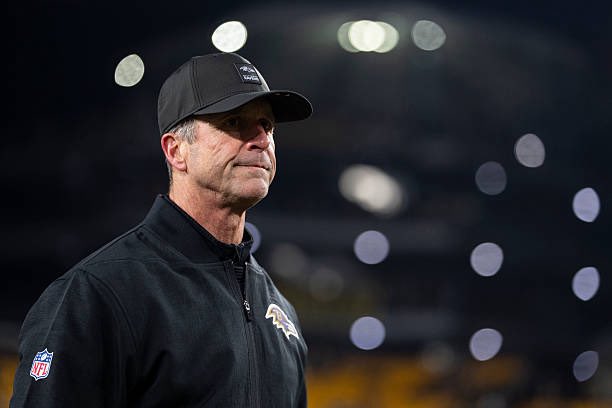
John Harbaugh’s Exit Sparks Immediate Coaching Market Interest Across the NFL
In the wake of a surprising decision that sent shockwaves through the NFL coaching ranks, John Harbaugh was relieved of his duties as head coach of the Baltimore Ravens. The move, coming after a season that mixed high-profile victories with anxious stretches, prompted a rapid surge of attention from teams with openings to secure a proven leader who can stabilize a franchise, galvanize a defense, and guide a young quarterback through a critical developmental window.
Historical context and the coaching landscape Harbaugh’s career with the Ravens spans more than a decade, during which he elevated a franchise that had already built a reputation for resilience and playoff pressure. Since taking over in 2008, he steered Baltimore to a Super Bowl title and delivered multiple postseason runs, earning a reputation for improvisational game planning and a steady, hard-nosed leadership style. His tenure coincided with Baltimore’s evolution into a consistently competitive organization known for two hallmark strengths: a fearsome defense and a methodical, clock-management approach on offense.
The broader NFL coaching market has, in recent years, become a measured, strategic marketplace for veteran leaders who can translate talent into sustained winning. When a head coach exits, teams with openings turn to candidates who blend proven success with flexibility—the ability to adapt to evolving schemes, analytics-informed decision making, and organizational culture-building. Harbaugh’s name has long resonated across front offices for his blend of charisma, discipline, and a track record of turning around middling seasons into playoff appearances.
Economic impact of coaching turnover Shifts at the top of NFL franchises carry tangible economic implications. For the Ravens, a leadership change can influence sponsor relationships, season-ticket renewals, and the perceived trajectory of star players under contract. While the immediate financial impact of a coaching departure is largely contained within organizational budgets, the ripple effects—whether through player morale, fan engagement, or alterations to staff payroll—can affect on-field performance and, by extension, future revenue streams. In the league at large, the market value of a head coach candidate is often correlated with demonstrated playoff success, quarterback development, and the ability to adapt to salary-cap constraints while maintaining competitive rosters.
In Harbaugh’s case, potential suitors among other teams with vacancies are weighing the opportunity against the cost of an organizational reboot. A new coach can unlock a franchise’s untapped potential, but it can also require a multi-year investment to retool systems, recruiting pipelines, and media relations strategies. For teams with established systems and front-office buy-in, Harbaugh’s experience negotiating with ownership, coordinating a rigorous practice cadence, and managing high-stakes game plans could translate into improved win totals and enhanced market presence.
Regional comparisons and implications Across the league, teams vary in how they approach the coaching search, reflecting regional cultural differences and organizational philosophies. In the Midwest and Northeast, where several teams have traditional, methodology-driven cultures, a coach with Harbaugh’s profile may be seen as a stabilizing force capable of unifying veteran leadership with promising young talents. In the South and West, where the emphasis often centers on explosive offensive systems and rapid roster turnover, Harbaugh’s methodical, defense-aware approach could be paired with a strategic emphasis on quarterback development and game management.
The immediate heat surrounding Harbaugh’s candidacy—evidenced by inquiries from all seven currently vacant head coaching positions within hours of the departure—speaks to the high demand for coaches who blend a championship pedigree with the ability to cultivate a resilient organizational identity. For teams in transition, the prospect of landing a coach with a Super Bowl-winning résumé, combined with a reputation for cultivating competitive rosters, is particularly attractive as they seek to recapture their competitive edge.
Key factors in the hiring equation Several factors are shaping how teams evaluate Harbaugh and other candidates in the current market:
- Quarterback development: A coach who can maximize a franchise quarterback’s potential is particularly valuable. Harbaugh’s history with capable signal-callers and his familiarity with building around a star quarterback could be a major draw for teams seeking stability at the position.
- roster alignment and cap planning: The ability to navigate the salary cap while maintaining a competitive roster is essential. Teams want coaches who can work within financial constraints while sustaining a strong, cohesive roster.
- leadership and culture: Beyond Xs and Os, teams look for leaders who can harmonize locker rooms, align front-office visions with coaching staff, and articulate a clear, compelling identity to players, fans, and sponsors.
- adaptability and analytics: Modern football blends traditional football wisdom with data-driven insights. Candidates who embrace analytics and can translate those insights into practical game plans tend to have stronger appeal.
- negotiating leverage and organizational fit: The fit between a coach’s philosophy and a franchise’s culture, ownership expectations, and media strategy matters. Teams typically favor candidates who can quickly integrate into the existing organizational fabric.
Public reaction and broader narrative Public reaction to a high-profile coaching change often mirrors the tension inherent in a franchise’s search for continuity and growth. Fans and local communities closely monitor the aftermath of such moves, weighing the potential for immediate improvements against the risks of upheaval. The sense of urgency from supporters can translate into heightened attention to early-season performance indicators, including defensive stoutness, offensive efficiency, and special-teams execution, which collectively signal the trajectory of a new coaching regime.
Regional fans tend to anchor their expectations in past success and the perceived credibility of the candidate. In Harbaugh’s case, his public persona—a blend of steadiness and accountability—has long resonated with segments of the fan base that value discipline and proven postseason experience. The initial responses from players, alumni, and business partners often foreshadow how smoothly a transition might unfold if a new coach is installed.
Analysis of potential outcomes for Ravens For the Ravens, the immediate challenge is preserving continuity while implementing any strategic shifts that a new leadership figure might pursue. The team’s defensive identity, historically anchored by a pressure-heavy front seven and savvy secondary play, could influence the type of coach they target next. If the organization prioritizes a defense-first approach and a patient quarterback development arc, Harbaugh’s successor will need to harmonize those strengths with a modernized offensive scheme.
Meanwhile, the transition could unlock opportunities for internal candidates or coordinators who’ve demonstrated a capacity to elevate performance under pressure. A carefully managed handover—paired with clear communication to players, staff, and supporters—can help dampen the disruption often associated with head-coaching changes. The Ravens’ ownership structure and front-office philosophy will continue to shape the timeline, the target profile, and the compensation package offered to a new head coach.
URL to context, not included here The broader NFL ecosystem also observes how the Ravens’ decision reverberates through the league. Other franchises with similar structures or coaching needs may adjust their internal expectations, reassess their staff pipelines, and accelerate their own searches in response to the market dynamics created by Harbaugh’s departure. The ripple effects extend to offensive and defensive coordinators, position coaches, and front-office personnel who must align with or pivot away from a new leadership approach.
Regional benchmarks and performance indicators When evaluating a potential hire, teams often benchmark against regional performance trends and league-wide metrics. Metrics such as point differential, third-down conversion rates, red-zone efficiency, and turnover margin provide a quantitative lens through which the impact of coaching decisions can be assessed. Additionally, the stability of the coaching staff—measured by continuity in key coordinators and player development programs—plays a vital role in predicting long-term success.
The historical performance of teams that have transitioned from long-tenured coaches to new leadership can offer instructive context. Some organizations achieve a quick turnaround by securing a coach who immediately reinforces a strong defensive backbone while infusing the offense with a complementary, adaptable scheme. Others require a longer, more deliberate transition to optimize talent utilization and scheme fit across a roster that has grown accustomed to a particular style.
Public-facing considerations and media strategy A coaching transition also entails a recalibration of how a franchise communicates with stakeholders, including fans, sponsors, and the broader league. Transparent dialogue about goals, timelines, and expectations helps manage public sentiment and maintain trust during the transition. Media strategy—covering press conferences, team messaging, and visible leadership from the owner and general manager—can influence the pace at which a new system gains traction.
In an era where social media amplifies every development, teams must balance candor with strategic messaging. Early-stage clarity regarding vision—how the new coach intends to develop players, optimizing the roster around strengths, and aligning with the organization’s core values—can shape early perceptions and set a constructive tone for the transition.
Conclusion and outlook The firing of a veteran head coach is never a trivial event, and Harbaugh’s exit from the Ravens marks a pivotal moment for both the franchise and the broader NFL coaching market. The immediate flurry of inquiries from all seven vacant head-coaching positions underscores the market’s appetite for leadership with championship pedigree, composite adaptability, and a track record of building resilient teams.
As teams begin the formal interview process and negotiations commence, the tradeoffs between immediate competitiveness and long-term cultural alignment will come to the fore. For Harbaugh, the next chapter offers a path to leverage a storied career into another high-impact leadership role across a league that prizes experience, strategic thinking, and a demonstrated ability to guide rosters through the crucible of a demanding season. The coming weeks will reveal how teams balance performance expectations with the realities of roster construction, salary cap management, and the evolving priorities of modern professional football.
Follow the evolving coaching carousel as organizations seek to pair a proven winner with the next generation of NFL talent, aiming to reclaim a place among the league’s elite through disciplined leadership, tactical flexibility, and a clear, enduring vision for success.